Table of contents
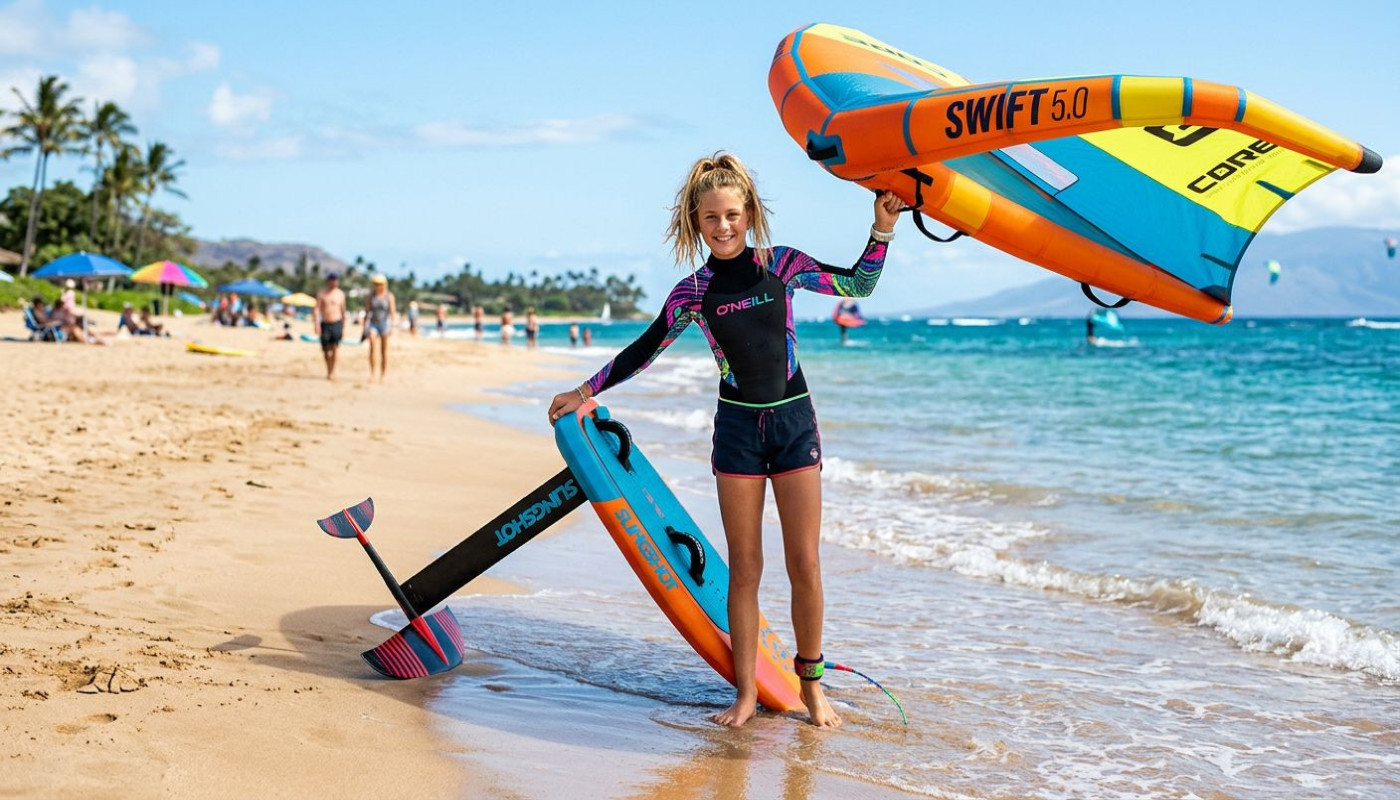
Choosing the right wingfoil gear for beginners can make all the difference between a frustrating first session and an exhilarating start to a new watersport adventure. With so many options on the market, understanding what to look for helps ensure a smoother learning process and more enjoyable progression. This guide dives into the key considerations every beginner should know before making a purchase, setting you up for wingfoil success right from the start.
Understanding Wing Size
Selecting the right wing surface area is a foundational step in wingfoil beginner tips, directly impacting your learning curve and overall enjoyment on the water. A certified wingfoil instructor will emphasize that choosing wing size depends on several interrelated factors, with wind conditions wingfoil, rider weight, and skill level all influencing the ideal dimensions. Lighter wind typically requires a larger wing, often in the 5 to 6 square meter range for adults, to generate sufficient lift, while stronger winds call for a smaller size, around 3 to 4 square meters, to ensure control and safety. Heavier riders generally benefit from a slightly larger wing surface area to compensate for added weight, while lighter riders can manage with smaller wings that remain responsive and easier to handle.
The best wing for starting also takes into account the skill level of the rider. Beginners should aim for a wing that provides enough power to get up and moving, but not so much that it becomes unwieldy or difficult to manage during gusty conditions. The goal is to choose a wing that balances lift and stability, making the early stages of wingfoil learning gear selection less daunting and more productive. Certified instructors often recommend starting with a wing around 4 to 5 square meters for most new riders, as this size range is versatile, manageable, and well-suited for a variety of average wind speeds found in common learning locations.
Consulting a certified wingfoil instructor before making a purchase ensures that your wing matches both your physical profile and the prevailing wind conditions at your local spot, two factors that play a decisive role in your progress. Instructive advice will also include testing a few different sizes, if possible, to get a real-world sense of what works best for your body type and the wind patterns you will regularly encounter. Remember, the process of choosing wing size is not just about following a chart; it's about finding the optimal wingfoil learning gear setup that supports your journey from first flights to confident glides.
Picking The Right Board
Choosing the first wingfoil board is a key step for new riders, directly impacting their learning curve and progression. For effective beginner board selection, understanding board volume and outline is fundamental. Board volume wingfoil recommendations suggest starting with a board that has sufficient board displacement—typically 20 to 40 liters above your body weight in kilograms. This buoyancy allows for stable wingfoil boards that float effortlessly, making it much easier to get up, balance, and manage the foil while holding the wing. A more generous volume equals better floatation, so standing, maneuvering, and recovering after falls become less daunting, which is central to learning to wingfoil safely and confidently.
Outline, or the board’s shape, is another consideration in wingfoil board advice for beginners. Wide and relatively straight outlines enhance lateral stability and help prevent tipping over, especially in gusty winds or choppy water. Rounded rails and a flat deck offer more comfort and control underfoot, further aiding progression. Selecting a board with both ample board displacement and a stable outline gives novices a forgiving platform, enabling consistent practice sessions and quicker mastery of basic maneuvers. For anyone starting out, these characteristics should be prioritized in any beginner board selection, ensuring that each session on the water is productive and enjoyable.
Choosing The Correct Foil
Selecting the best beginner wingfoil setup involves understanding how foil size, mast length, and aspect ratio affect both stability and maneuverability. For newcomers, a larger front wing—typically between 1500 and 2000 square centimeters—offers maximum lift at lower speeds, helping riders get up on foil easily and maintain balance. In the context of foil size for learning, a lower aspect ratio (meaning the wing is wider and shorter) ensures stable foils that are forgiving and less twitchy, making them ideal for those just starting out. Mast length also plays a key role; opting for a shorter mast, around 60 to 75 centimeters, simplifies control and minimizes the risk of nose-diving or losing balance during early sessions. These wingfoil setup tips can make the initial learning curve significantly smoother, allowing for more enjoyable and confident progression.
Entry level foil gear should be chosen with care, as the foil’s profile impacts how easily the setup lifts and how stable it feels underfoot. Beginners should prioritize a thick, high-lift foil profile for predictable takeoff and forgiving touchdowns. As riders advance, they can transition toward higher aspect ratio foils for greater speed and maneuverability. For a hands-on look at different options, visiting a specialized shop or consulting a professional wingfoil equipment tester is recommended. To compare a wide range of stable foils and complete setups tailored for learners, explore Wing foil equipment, which provides a curated selection for those interested in starting their wingfoiling journey.
Safety And Protective Gear
When starting your wingfoil journey, prioritizing safety gear is non-negotiable. Among the most vital pieces of safety gear for wingfoil are helmets, which provide critical protection from accidental impacts with boards, foils, or even the water itself. Wearing an impact vest or a personal flotation device is equally significant, as these offer both buoyancy and additional shielding for the upper body, especially during unexpected falls—a common occurrence in early learning stages. Leashes, which tether the board to the rider, are an integral part of beginner wingfoil safety since they prevent the board from drifting away and reduce the risk of losing equipment in challenging conditions.
A wetsuit should also be considered indispensable for both thermal protection and minor abrasion resistance. Cold water exposure can rapidly become dangerous, so a well-fitted wetsuit not only keeps you warm but also adds a slight layer of padding during falls. Many experienced instructors recommend that all beginner wingfoilers invest in a wetsuit appropriate for their local climate before heading out. This gear, combined with wingfoil safety advice from certified instructors, significantly lowers the risk of hypothermia and injury, ensuring a more confident and enjoyable learning process.
Safe wingfoil learning goes beyond simply owning the correct equipment; understanding when and how to use each item is vital. Strapping on a helmet every session, regardless of skill level or weather, sets a strong safety precedent. Similarly, always wearing a personal flotation device is recommended, providing invaluable support in unexpected situations. Leashes should be checked for wear and securely attached before every outing to avoid catastrophic board separation, especially in strong winds or waves. Newcomers who adopt these habits early develop a mindset centered on safety that serves them throughout their progression in the sport.
Selecting the right safety gear for wingfoil not only enhances physical protection but also builds confidence as skills improve. Beginners should seek out reputable brands and ensure all equipment meets established safety standards. Consulting with experienced instructors or local shops about the best essential wingfoil equipment can make a significant difference in both safety and comfort. Ultimately, being diligent about safety gear equips every wingfoiler to focus fully on mastering technique, knowing that risks have been effectively minimized from the very first session.
Setting Up For Success
Ensuring an optimal wingfoil setup begins with careful assembly, following a trusted wingfoil setup guide provided by certified manufacturers or, ideally, a certified wingfoil technician. Begin by checking each connection point on the board, foil, and wing, as secure fittings prevent malfunctions during sessions. Conduct a thorough hardware inspection, assessing bolts, screws, and quick-release systems for corrosion, wear, or looseness. Equipment checks for wingfoil gear should be carried out before every outing; examine the leading edge and canopy for punctures or abrasions, and verify that bladders are holding air. Beginners should prioritize assembling and adjusting components in a sand- and grit-free environment, as debris can compromise fittings and seals, shortening the lifespan of the gear.
Maintaining wingfoil gear extends its durability and enhances performance, making basic cleaning and storage routines essential for everyone. Rinse all equipment with fresh water after each session to remove salt and sand, focusing on areas like the mast base and foil mount. Allow everything to dry thoroughly before disassembling and storing in a cool, shaded place to avoid material degradation. Beginner wingfoil setup also benefits from regular wingfoil maintenance tips such as lubricating moving parts and checking leash attachments. Over time, adopting systematic equipment checks for wingfoil activities not only keeps the gear in peak condition but also builds habits that support safety and enjoyment on the water.
Similar

Maximizing Your Mountain Sports Experience With Expert Equipment Care

Unlocking the Science of High-Performance: Your Brain on Sports

Unlocking the Secrets of Successful Coaching in Sports

Mindfulness in Sports: The Unexplored Competitive Edge